
How It Works
DATA COLLECTIONS
RESTING METABOLIC RATE (RMR) TEST
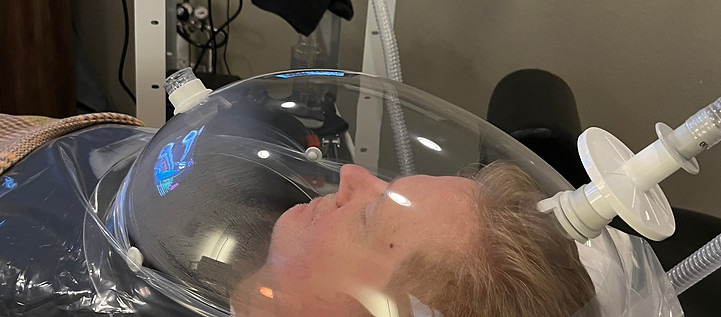
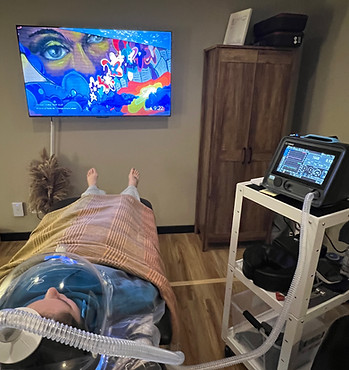
The RMR test measures how many calories your body burns at rest to support essential physiological functions such as breathing, circulation, and cellular activity. Unlike predictive equations, this test provides a direct measurement of your baseline metabolism using laboratory-grade metabolic analysis.
During the test, you will rest comfortably while breathing through a metabolic analysis device that measures oxygen consumption and carbon dioxide production. The test is quiet, non-invasive, and typically lasts 15–30 minutes.
RMR testing helps evaluate:
• Baseline metabolic rate
• Daily caloric needs
• Resting fuel utilization
• Estimated energy expenditure
• Nutrition and body composition strategies
This testing is especially useful for athletes, individuals pursuing body composition goals, and those wanting more precise nutrition planning based on actual physiology rather than estimation.
For accurate results, testing should ideally be performed fasted for 8–12 hours while avoiding caffeine, nicotine, and exercise beforehand.


Results can be used to help guide:
• Aerobic training zones
• Endurance programming
• Pacing strategy
• Recovery planning
• Performance optimization
Most tests last approximately 8–15 minutes once the exercise portion begins.
For accurate results, athletes should arrive well hydrated, avoid strenuous exercise beforehand, and fast for approximately 4 hours prior to testing.
VO₂ MAX TEST
The VO₂ max test measures your body’s maximum ability to take in, transport, and utilize oxygen during exercise. It is considered one of the most valuable assessments of aerobic fitness and endurance performance because it provides direct physiological data rather than estimates from wearable devices or field tests.
During the test, you will wear a metabolic mask connected to our laboratory-grade metabolic system while exercising on a treadmill. Our protocol uses a progressive ramp-style test where speed gradually increases in 1-minute increments before treadmill incline increases by 1% each minute until maximal effort is reached.
RMR testing helps evaluate:
• VO₂ max and aerobic fitness
• Aerobic efficiency
• Ventilatory and metabolic response to exercise
• Training thresholds
• Fuel utilization during increasing intensity

LACTATE TESTING
Lactate testing evaluates how your body produces, clears, and utilizes energy as exercise intensity increases. Unlike a VO₂ max test, which measures maximum aerobic capacity, lactate testing helps identify how sustainable different effort levels are for your body and provides more precise insight into pacing, endurance, recovery, and high-intensity performance.
Testing is performed on either a treadmill or stationary bike using a progressive step protocol. Each step lasts approximately 5 minutes, allowing lactate levels to stabilize before measurements are taken. At the end of each step, a small blood sample is collected from the earlobe to measure blood lactate concentration. Most tests include 3–5 progressive steps followed by one maximal effort lasting approximately 3–5 minutes.
This testing helps identify:
• Aerobic Threshold (LT1)
• Lactate Threshold (LT2)
• Fuel utilization patterns
• Fatigue resistance
• Recovery ability between efforts
• Anaerobic contribution and glycolytic power


Lactate testing is especially valuable for athletes looking to improve:
• Endurance performance
• Pacing strategy
• Repeatability of effort
• Sprint recovery
• Interval training precision
• Sport-specific conditioning
This can be particularly useful for endurance athletes, hybrid athletes, and sports requiring repeated high-intensity efforts such as soccer, hockey, football, combat sports, rowing, middle-distance running, and CrossFit.
For accurate results, athletes should arrive well hydrated, avoid strenuous exercise beforehand, and fast for approximately 4 hours prior to testing.
PERSONALIZED TRAINING PROGRAM
DATA ANALYTICS & TRAINING APPLICATION
At Podium, testing is used to help guide more individualized training decisions based on your physiology, sport demands, and performance goals.
By analyzing aerobic capacity, fuel utilization, glycolytic contribution, recovery characteristics, and pacing demands, we can better identify where performance limitations may exist and what type of training is most likely to improve them.


This information can help athletes:
-
Improve aerobic efficiency
-
Optimize pacing strategy
-
Manage fatigue and recovery
-
Improve repeatability of effort
-
Better manage carbohydrate utilization
-
Balance aerobic and anaerobic development
The data can also be used to establish more precise training intensities across multiple conditioning modalities including running, cycling, and rowing while helping reduce unnecessary training stress and repetitive loading.
Rather than relying solely on generalized training zones or estimated formulas, Podium uses physiological data to help align training more closely with the metabolic demands of the athlete and their sport.